Real Estate Photography Trends for 2026
Property photography keeps changing as buyers spend more time browsing listings on their phones before ever booking a viewing. In 2026, a handful of clear trends are shaping how the best listings are photographed and presented, and estate agents who use them are seeing stronger engagement online. Understanding these shifts is no longer optional for agents who want their listings to stand out in a crowded market, because the way a property is presented visually is often the single biggest factor in whether a buyer clicks through or scrolls past.
What’s Changed for Buyers in 2026
More than 80% of property searches now start, and often finish, on a mobile screen. That single shift has changed how photos need to be framed, cropped and delivered, because an image that works well on a desktop listing page doesn’t always translate to a small phone screen. Buyers are also moving faster through listings than they used to, spending only a few seconds deciding whether a property is worth a closer look.
This means the first few images in a gallery carry far more weight than they did even two or three years ago. Agents who front-load their strongest, brightest, most flattering shots at the top of the gallery are seeing noticeably better click-through rates than those who follow the traditional room-by-room order.
Can AI Improve Property Photos Without Misleading Buyers?
Yes, AI tools are now a normal part of the editing process, helping photographers balance exposure, remove clutter digitally and speed up turnaround times considerably. The trend for 2026 is using AI as a finishing tool rather than a shortcut, since buyers are increasingly wary of listings that look artificially staged or unrealistic. Overly aggressive AI staging, where furniture or entire rooms are digitally generated, has started to erode trust with buyers who feel misled once they view a property in person. The photographers getting the best results in 2026 use AI to refine lighting, remove minor imperfections and speed up delivery, while keeping the underlying photograph an honest representation of the actual space.
Drone Photography as the New Standard
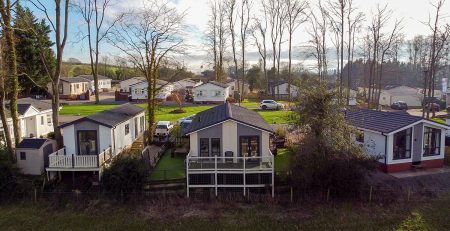
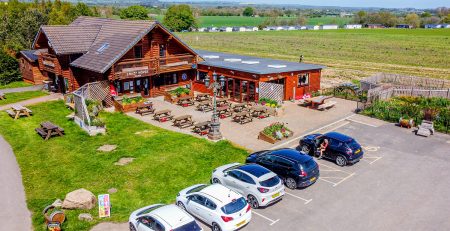
Aerial shots used to be treated as an optional extra reserved for larger homes with important grounds. They are now expected for most properties with any outdoor space, land or a notable location, because they give buyers context that ground-level photos simply cannot provide. A single well-composed drone shot can show a garden’s full size and shape, a property’s position relative to nearby amenities, or how a house sits within its street, all in one image. Estate agents who once considered drone photography a luxury add-on are increasingly building it into standard listing packages, particularly for family homes and properties with any land.
Mobile-First and Vertical Images
Photographers are shooting and delivering more vertical crops alongside traditional wide shots, so listings look just as strong on Instagram Stories, TikTok and mobile portals as they do on a desktop screen. This isn’t just about social media marketing either; many property portals now display listings differently on mobile, and images composed with only a wide desktop view in mind can end up cropped awkwardly or losing their impact. Photographers who plan for both formats during the shoot, rather than trying to crop afterwards, produce a more consistent and professional-looking gallery across every platform a listing appears on.
The Right Photography Mix for a Modern Property Listing
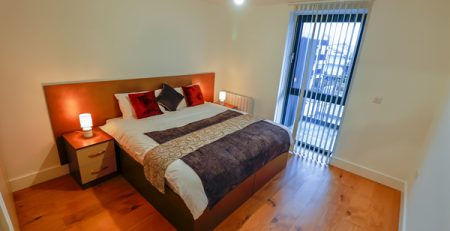
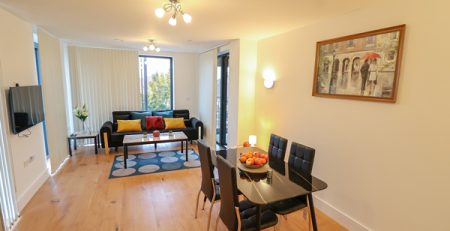
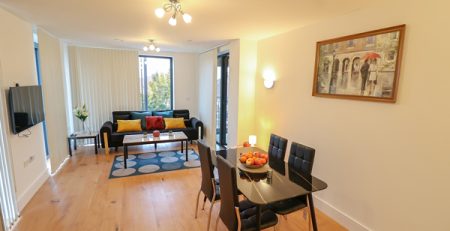
A modern property listing package in 2026 now typically includes standard interior photography, a small number of aerial shots where relevant to the property, and images edited with mobile viewing specifically in mind from the outset. Properties presented this way tend to hold buyer attention for longer, generate more enquiries, and often sell or let faster than listings using outdated, desktop-only photography approaches.
For agents managing multiple listings, adopting these trends consistently across a portfolio can noticeably improve overall lead generation without requiring a larger marketing budget, simply by making better use of the same photography spend.
How to Prepare Your Listings for These Changes?
Agents don’t need to overhaul their entire marketing approach overnight to benefit from these 2026 trends. Starting with small, practical changes, such as reviewing gallery order to lead with the strongest image, requesting a vertical crop alongside standard shots, and asking about drone options for suitable properties, can noticeably improve how a listing performs without a significant increase in cost.
Working with a photographer who already understands these shifts, rather than one still shooting and delivering images the same way they did five years ago, makes this transition considerably easier. Over the course of 2026, the gap between listings that adopt these approaches and those that don’t is likely to widen further, as buyer expectations continue to move in this direction across every price bracket and property type.
Ready to update how your listings are photographed? ZM Media provides professional property photography and video across London and Surrey, incorporating the latest 2026 trends into every shoot.
Visit our Property Photography service page to learn more about what’s included, or use the make a booking page when you’re ready to schedule your photography session. You can contact us at 020 3950 8880, or visit our office:
London: Suite 213, The Light Bulb,
1 Filament Walk,
London SW18 4GQ.
Our team will work with you to create professional images that present your property at its best.