Photographing Difficult London Properties: Small Flats and Dark Rooms
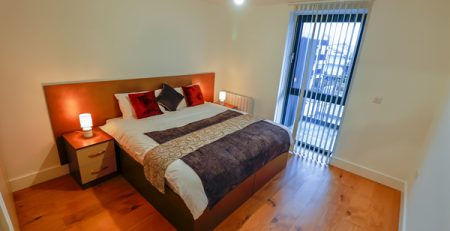
Small London flats are some of the hardest properties to photograph well, and it’s a challenge that comes up constantly across the capital given how much of London’s housing stock consists of compact, period conversions rather than modern open-plan homes. Limited space and low natural light mean a straightforward, default approach to photography often falls well short of showing the property at its genuine best.
Why Small, Dark Flats Are the Hardest Shoots?
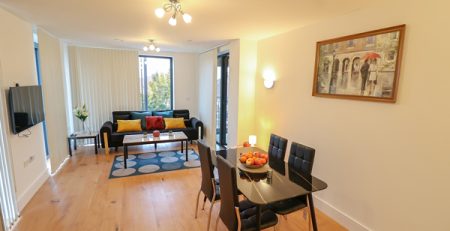
There’s less room to move the camera back, less natural light available to work with, and often only one or two small windows serving an entire flat. Every decision made during the shoot has to work harder to make the space feel open, bright and appealing, because there’s simply less margin for error compared to a larger, brighter property where mistakes are more easily hidden.
This is precisely the type of property where the difference between an amateur photo and a professional one becomes most obvious to a viewer.
Camera Position and Lens Choice
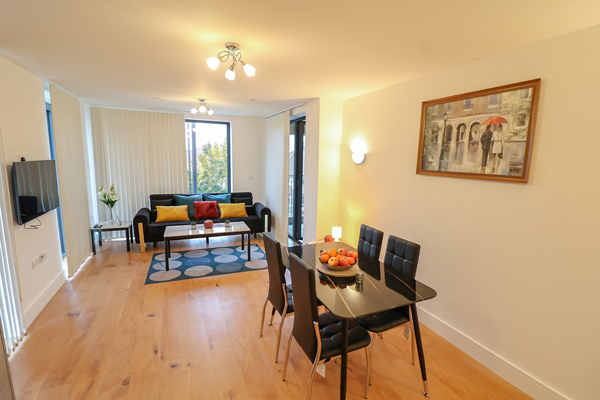
Shooting from a lower corner of the room with a wide-angle lens usually captures the most usable space without distorting walls, doorways or furniture in the frame. Getting this position exactly right before shooting saves significant editing time afterwards, because a poorly chosen angle is very difficult to fully correct in post-production without introducing visible distortion.
Experienced photographers typically walk the room first, checking several possible camera positions, before committing to the angle that shows the space most accurately and attractively.
Balancing Window Light With Interior Shadows
Bright windows sitting next to a dim interior is the most common lighting problem encountered in small flats, and it’s one of the trickiest to solve well. Professional photographers manage this by blending multiple exposures taken at different settings, or by timing the shoot for softer daylight conditions rather than harsh, direct midday sun that creates extreme contrast between the window and the rest of the room.
Without this careful handling, photos of small flats tend to end up with either a blown-out white window or an overly dark interior, neither of which does the property any favours.
Simple Lighting Fixes That Work
Turning on warm interior lights throughout the flat, opening blinds and curtains fully, and removing anything blocking window light, such as furniture pushed up against a window, are simple changes that make a genuine difference before the camera is even set up. These small preparations, often done by the homeowner or agent before the photographer arrives, can meaningfully improve the final images without requiring any additional equipment or editing time.
How Professional Photography Improves Small London Flat Listings?
Small flats represent a huge proportion of London’s rental and sales market, which means getting this type of shoot right consistently matters far more than it might for a smaller specialist photographer working mainly with larger family homes. A photographer with genuine experience handling compact, low-light London properties will consistently produce stronger, more marketable images than one primarily used to shooting larger suburban homes with abundant natural light.
Beyond the technical work done by the photographer, owners and agents can help significantly by keeping window areas completely clear of furniture, ensuring all lightbulbs are working and turned on before the shoot begins, and scheduling the appointment for a time of day when the flat naturally receives the most usable daylight.
Even small flats with genuinely limited natural light can be photographed to look considerably brighter and more spacious than they might feel in person, provided both the preparation and the photography work are handled with this specific challenge in mind from the outset.
Editing Choices That Suit Small, Dark Interiors
In post-production, small dark flats often benefit from slightly warmer colour grading to counteract the cooler tones that can result from mixed daylight and artificial lighting, along with careful shadow recovery to reveal detail in darker corners without making the image look artificially flat or over-processed.
This editing stage is just as important as the shoot itself for this type of property, and it’s an area where genuine experience with compact, low-light interiors makes a noticeable difference to the final result compared to a more generic editing approach.
Realistic Expectations for Very Small Spaces
It’s worth setting realistic expectations that even excellent photography cannot make a genuinely tiny room appear significantly larger than it actually is, and buyers generally respond better to honest, well-lit images than to photos that feel exaggerated or misleading once they view the property in person. The goal with small flats is to present the space as attractively and accurately as possible, not to disguise its actual proportions in a way that could create a mismatch between expectation and reality at the viewing stage.
ZM Media provides professional flat photography for properties across London and Surrey. Visit our photography service page to learn more about what’s included, or use the make a booking page when you’re ready to schedule your photography session. You can contact us at 020 3950 8880, or visit our office:
London: Suite 213, The Light Bulb,
1 Filament Walk,
London SW18 4GQ.
Our team will work with you to create professional images that present your property at its best.