The Equipment Behind Professional Property Photography
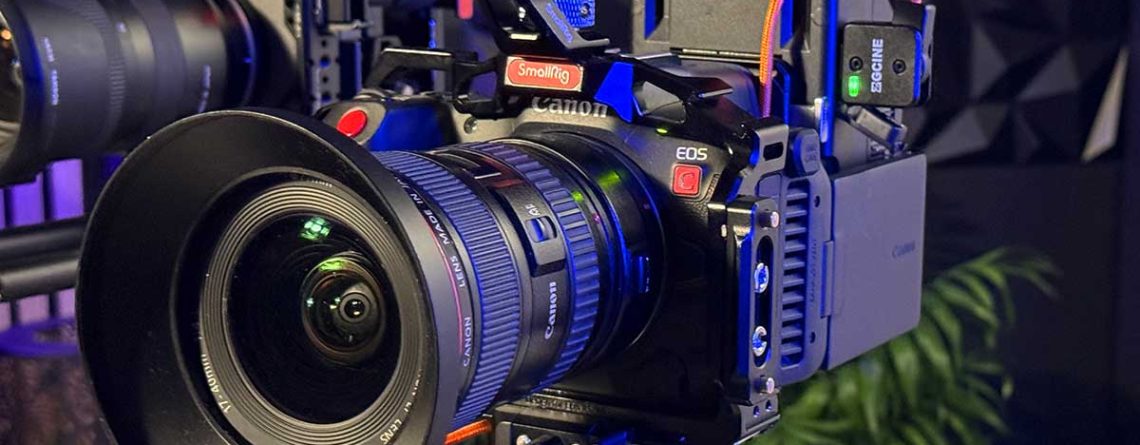
Clients often ask what camera makes a property look so much better in professional photos compared to photos taken on a phone. The honest answer is that the right equipment does matter, but it’s only part of what makes a shoot successful, and understanding why can help you appreciate what you’re actually paying for when booking a professional photographer.
What a Property Camera Setup Needs to Handle?
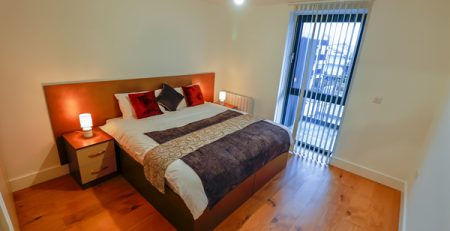
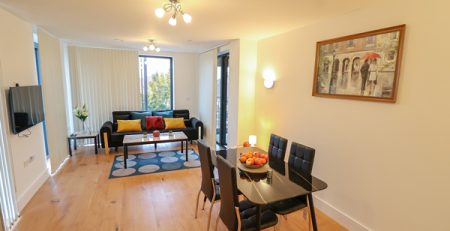
Interiors present some of the hardest lighting conditions in photography: bright windows sitting next to dark corners, mixed light sources from lamps, ceiling lights and daylight all at once, and small spaces that need a wide view without looking distorted or unnatural. A property camera setup has to cope with all of this within a single shoot, often across a dozen or more rooms in a single property, each with its own lighting challenges.
This is why professional photographers invest in equipment capable of capturing a wide dynamic range, meaning detail is retained in both the brightest windows and the darkest shadows within the same frame.
Full-Frame vs Crop Sensor, in Plain Terms
Full-frame cameras generally capture more detail in shadows and highlights, which matters significantly in rooms with strong window light or uneven lighting conditions, both of which are extremely common in residential interiors.
Crop sensor cameras can still produce excellent results in the right hands, but they typically need more careful exposure work and often more editing time afterwards to match the same range of detail. For professional property photography, this difference becomes especially noticeable in older buildings or period properties, where smaller windows and darker rooms are more common than in modern new-build homes.
Lens Choice for Small Flats vs Larger Homes
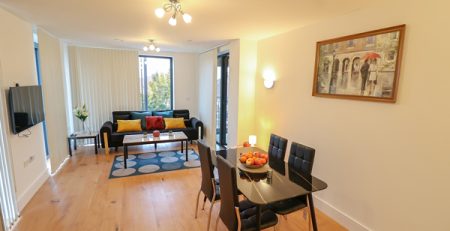
A wide-angle lens is essential for small London flats, where rooms are often compact and every square foot needs to be shown clearly without cropping out key features like a kitchen island or a bedroom’s storage space. Larger homes, on the other hand, often benefit from a slightly narrower lens choice to avoid making already spacious rooms look artificially stretched or unrealistically large, which can create a misleading impression for buyers.
Choosing the right lens for each specific room, rather than using the same lens throughout an entire property, is one of the clearest signs of an experienced property photographer.
Why Technique Matters More Than the Camera Body?
Two photographers using exactly the same camera and lens can produce very different results from the same room. Camera position, exposure choices, the timing of the shoot relative to natural light, and how the images are handled in post-production all make a bigger difference to the final result than the specific camera model being used. This is why hiring a professional photographer with genuine property experience tends to deliver noticeably better results than simply buying expensive equipment and shooting without that experience behind it.
The Process Behind Professional Property Photography
A professional property shoot combines the right camera, the right lens for each room, and years of accumulated technique in reading light and composing a space effectively. None of these elements works particularly well in isolation, but together they consistently produce the kind of images that make a listing stand out in a crowded market and hold a buyer’s attention long enough to generate a genuine enquiry.
The Value of Consistency Across a Portfolio of Listings
Beyond individual shoots, using the same equipment and approach consistently across an agency’s entire portfolio of listings creates a recognisable, professional look that buyers begin to associate with quality and reliability. When every listing from a particular agency shares a similar standard of lighting, colour tone and composition, it subtly reinforces the agency’s reputation, even before a buyer has read a single word about the specific property.
This is one of the underappreciated benefits of working with a dedicated property photographer over time, rather than using a different service for every individual shoot.
What This Means When You’re Comparing Photographers?
When comparing quotes from different photographers, it’s worth asking specifically what camera and lens setup they use for interior work, and how they typically handle a room with strong window light or very limited natural light.
A photographer who can answer these questions confidently, with specific reference to their actual equipment and process, is generally a safer choice than one who simply lists their camera model without explaining how they use it to handle the genuinely difficult lighting conditions that come up in almost every property shoot.
Servicing and Backup Equipment
Professional photographers also carry backup camera bodies, spare batteries and memory cards to every shoot, since a single equipment failure on the day could otherwise mean rescheduling an entire property visit, which is disruptive for agents, sellers and tenants alike. This kind of operational reliability rarely gets discussed when comparing photographers, but it’s an important, practical reason professional services tend to be more dependable than an ad hoc approach using a single camera with no contingency plan in place.
ZM Media offers photography, video, drone and virtual tour packages for properties across London and Surrey. Visit our Property Photography service page to learn more about what’s included, or use the make a booking page when you’re ready to schedule your photography session. You can contact us at 020 3950 8880, or visit our office:
London: Suite 213, The Light Bulb,
1 Filament Walk,
London SW18 4GQ.
Our team will work with you to create professional images that present your property at its best.